

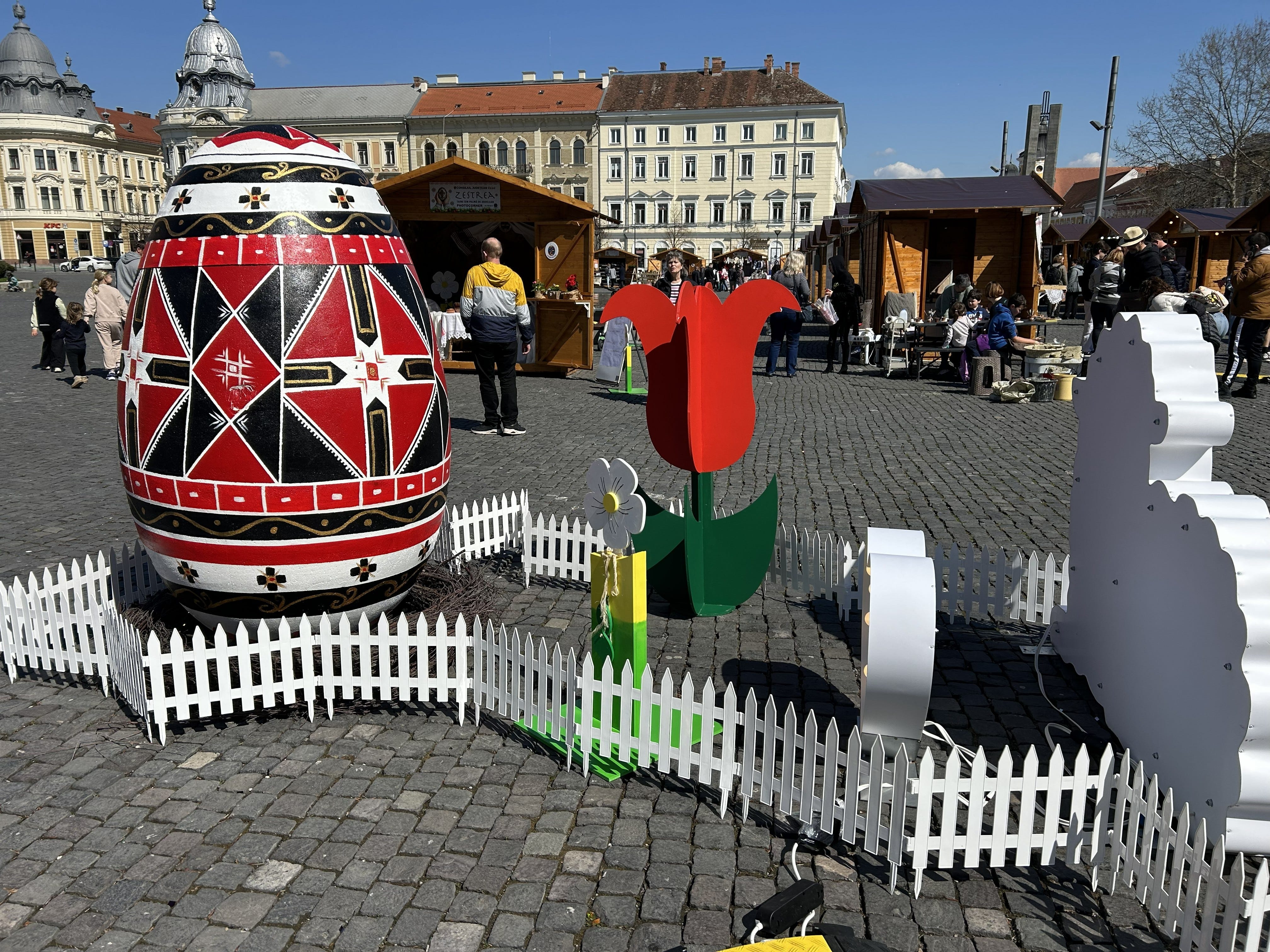
I grew up and became an adult entirely in Romanian. I experienced most of my firsts in Romanian: first steps, first words, first hurts, first days at school, first friends, first loves, first disappointments, first jobs, first ambitions. Romanian was the language through which I learnt the world.
Then, at twenty-four, as a fully formed Romanian, I moved to live in English.
At first, the change was straightforward. I quickly discovered that I did not know English, or rather that what I thought was English did not work in Glasgow. But I had little choice except to learn. I used it to read, write and study. I used it with colleagues, with remarkably patient bus drivers, with shop assistants and kind strangers in the street when I got lost.
Yet I continued living much of my personal life in Romanian. In those early years abroad, I gravitated towards other Romanians who were also new to English and to Glasgow. Most of my close friends were Romanian. My family was in Romania. My boyfriend was in Romania. When I spoke about research, students, teaching and presentations, I did so in English. When I spoke about feelings, memories, homesickness, laughter or heartbreak, I did so in Romanian.
For several years, I inhabited two separate linguistic worlds. English was for work. Romanian was for life.
And without realising it at first, I lived these worlds differently.
Romanian had taught me that everything in the world is alive. Objects, ideas, emotions and occupations all carry gender. A child is masculine. Most feelings are feminine. Work itself, lucru, is neutral: masculine when singular, feminine when plural, which somehow feels entirely appropriate. Romanian quietly suggests that things have character, personality, perhaps even agency.
Speaking Romanian meant living in a world populated by living things.
English works differently. Things are neutral. Feelings lose their femininity and become “it”, the same as a table or Percy the dog. The world feels less personal, less chaotic, less human, and more neatly organised into categories.
Romanian had also taught me that context matters. We often know who is acting without naming them. Entire conversations happen through implication and shared understanding. The difference between iubesc and iubeşti sits in the ending, not the beginning. English, by contrast, insists on clarity. Someone must always be the subject. Love is love, but “I love” is very different from “you love”. At work, I learned to specify who was doing what, who was responsible and who was accountable.
Clarity and precision governed my English-speaking life. Ambiguity and shared understanding belonged to Romanian.
For a while, I carried these two systems side by side. My professional life existed in English. My emotional life existed in Romanian.
It was, in a sense, a mild form of linguistic schizophrenia. Two versions of the world coexisted within me, neatly compartmentalised. Feelings remained alive and feminine among friends. Teaching slides, research papers and endless committee meetings lived in a more neutral, analytical universe.
But languages are greedy. They do not remain politely confined to the territories assigned to them.
As the years passed, more and more of my life migrated into English. My circle of friends broadened. Many were not native English speakers either, but English became our common language. I married an English speaker. I raised my daughters in English. English became the language of home.
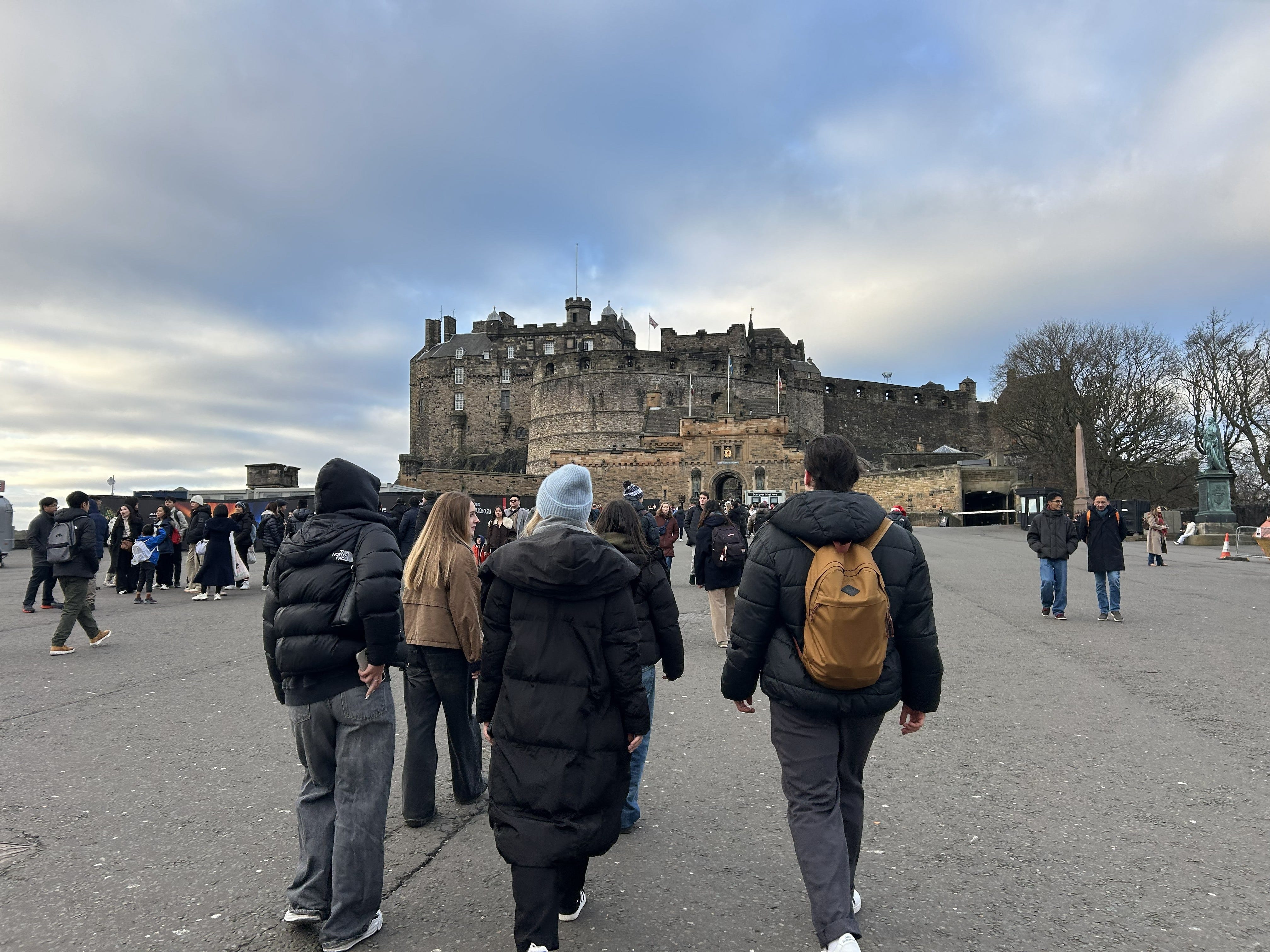
Gradually, Romanian retreated.
Today, I speak Romanian mostly with my mother and my sister. Even with my sister, who also lives abroad, our conversations are no longer entirely Romanian. We speak a slightly absurd diaspora hybrid in which Romanian grammar accommodates English nouns, while English sentences suddenly collapse into Romanian expressions that are impossible to translate.
This is what diaspora sounds like: two languages colliding and blending into something unintelligible to everyone except the people speaking it.
But apart from those conversations, I do not really live in diaspora. I live in English.
And as English escaped the office, it reshaped my life. What once belonged to work spread everywhere else. I send Outlook invitations to my children. I email my husband. I Teams colleagues to arrange drinks. The language of work became the language of everyday existence.
At times, this felt like a loss.
Yet Romanian is surprisingly tenacious. It returns the moment I land “back home”, often with my first conversation at passport control, as if it had been waiting patiently all along.
More surprisingly, Romanian survives within my English. I tell my daughter, now away at university, that I miss her rather than that I love her, because it is her absence that hurts. Missing her feels like the more precise expression of love.
I tell my younger daughter fii cuminte, because after all these years I still have not found an English phrase that means exactly what I mean. Given her limited Romanian, that may explain why she remains stubbornly immune to the instruction.
I name my computer, my car and my phone because they feel close, personal and alive. A thoroughly Romanian habit.
And as colleagues become friends, the language changes. “Best regards” becomes “Best”, then disappears altogether. Formalities fade. Shared understanding takes over. Without noticing it, I begin communicating with them in ways that feel surprisingly Romanian.
Perhaps language does not simply limit what we can say or how we see the world. Perhaps it also preserves what we cannot bear to lose.
Or perhaps “the limits of language” is the wrong theme entirely. Maybe languages are less like borders and more like windows. Each offers a different view of the same world. Living in another language is not about shifting borders, but opening another window to let more light come in.
Or maybe language is a companion. Sometimes a close friend. Sometimes a lover. Sometimes an old relationship that survives mostly in memory. Distances grow, habits change, conversations become less frequent. Yet it remains part of who you are.
The words may become harder to find.
But the worlds they created remain.
Author bio
Raluca Leetch is a professional academic (under a different name). She is also an amateur (non-academic) writer who lives in Edinburgh, UK and learnt to love the rain. She is rediscovering her love of writing for fun and enjoys putting words together to see where they take her. In her other life, she writes very serious academic papers about how organisations deal with new technologies and old habits.
