

“The limits of my language mean the limits of my world.” said Ludwig Wittgenstein.
The more I thought about this sentence, the truer it seemed. I have lived in Romanian, Finnish and English, and each one of these languages has taught me something the others left unseen.
I began to understand that language shapes our world.
It determines how we see reality, what we notice and what we don’t.
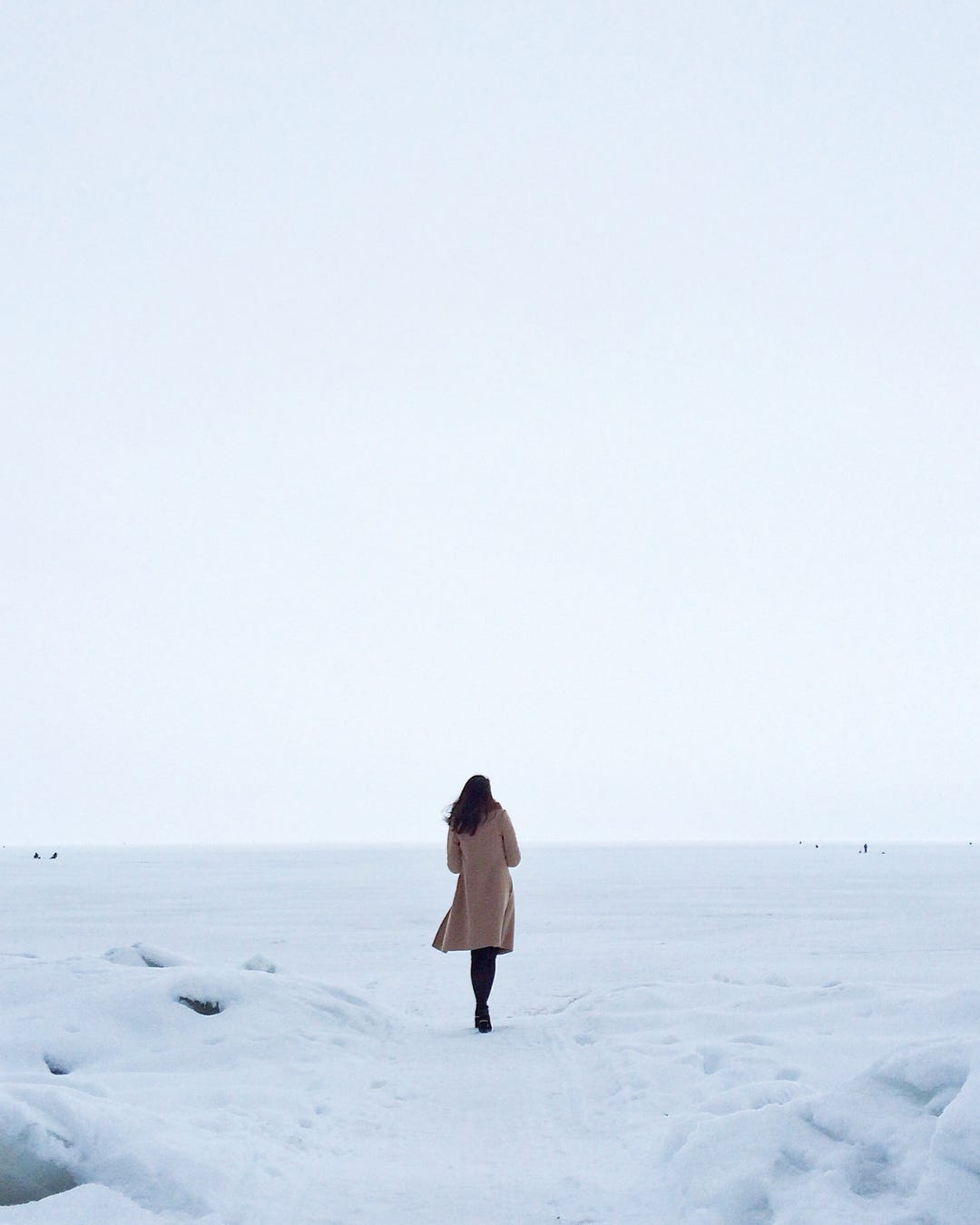
Take snow. Did you know that Finns have hundreds of words to talk about it? Finnish language distinguishes fresh snow from wet snow, falling snow from snow already settled on the ground, a hard crust from a soft surface, a drift from slush. It’s almost like the language itself encourages you to watch, word by word, how snow is changing state.
Brits developed a similar attentiveness to rain. English distinguishes drizzle from mizzle, a shower from a downpour, a cloudburst from a steady rain. Regional dialects become more precise still: Scottish smirr is a fine rain or mist; Cumbrian mizzling describes misty, drizzly rain, while syling means rain pouring heavily. There is spitting, spotting, teeming, pelting and bucketing down. Some words describe the rain itself; others describe how it falls, how long it lasts or what it does to the person caught beneath it. Living inside the English language, one does not simply experience “rain.” It notices whether the rain floats, lingers, arrives sideways, passes quickly or settles in for the day.
I once thought of snow simply as snow and rain as simply rain. Not anymore. Living with new languages I’ve found there are more ways to look at the same world, more ways I can refine and understand the same reality.
It plants images inside ordinary things and tells us what to imagine.
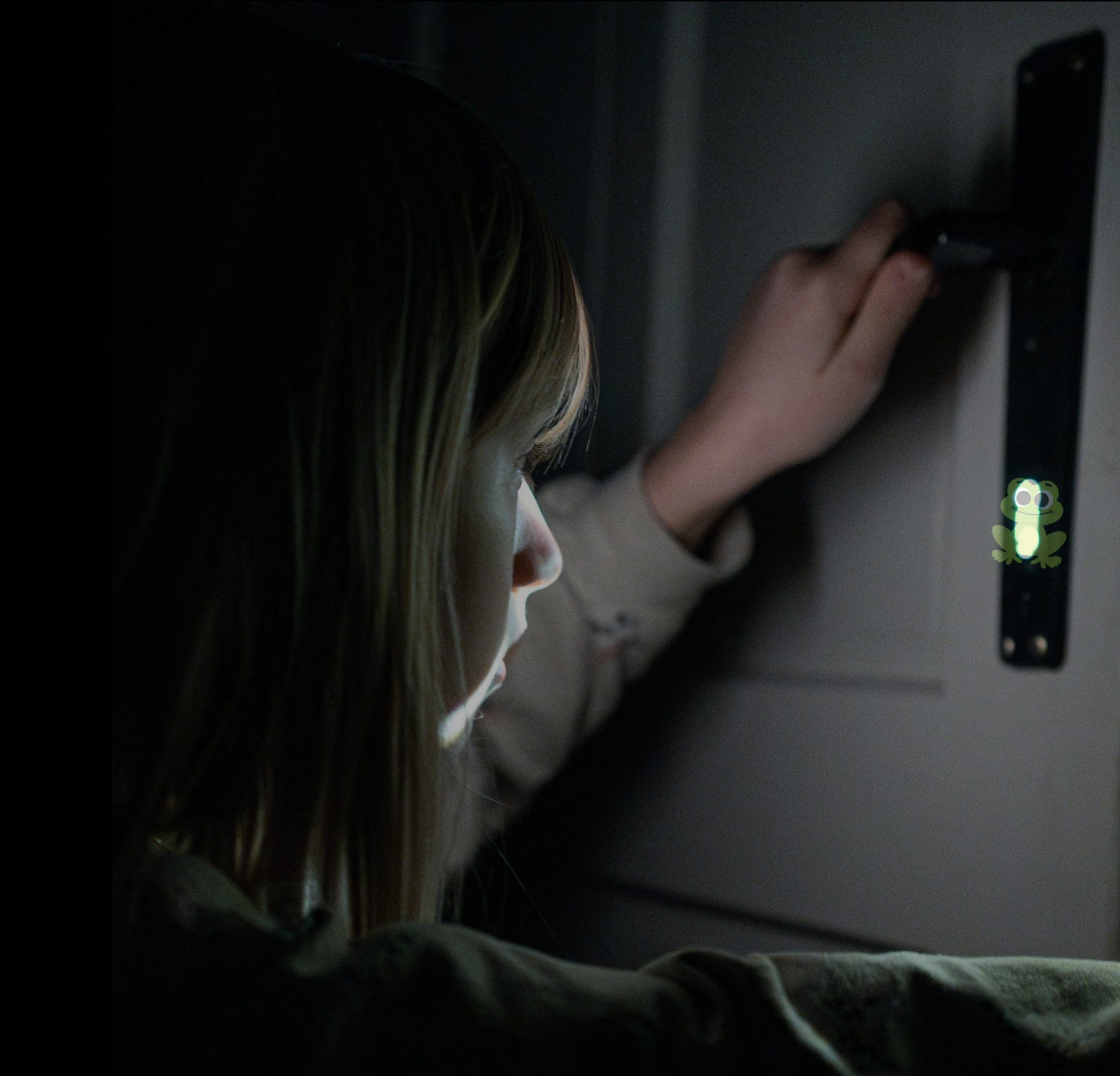
Language can do more than refine the details of the world around us. Sometimes it lays imagination over what we see and gives ordinary things a second life. The physical world and the objects around us might look different depending on the language we use.
In Romanian, a door lock is a broască (a frog) and the burners on a stove are its eyes (ochi de aragaz). English gives the road a shoulder. In Finnish the word for Northern Lights (revontulet) means “fox fires.” In Finnish folklore, the lights were sparks swept into the sky by the tail of a fox running across the snow.
Each word contains an earlier act of imagination: someone looked at metal and saw an animal crouching inside the door; at circles of flame and saw eyes; at the edge of a road and recognized part of a body; at light moving through the winter sky and imagined a fox.
The word preserves that first resemblance forever. It carries it forward, offering it to everyone who speaks the language and each inherited image becomes permission to imagine further.
Living among languages means inheriting several of these ways of seeing.
When the Romanian frog, the English shoulder and the Finnish fox begin to inhabit the same world, who knows what else can happen. Suddenly we can open possibilities and imagine stories that no single language could have offered alone.
It decides what is allowed to remain invisible.
Finnish allows gender to remain invisible. Hän can mean either he or she. If I say “hän on väsynyt” - “hän is tired” - I have told you nothing about the person’s gender. English usually makes me choose. Romanian may demand even more: “este obosit” and “este obosită” reveal gender without needing el or ea. The information sits inside the adjective.
On the other side, English allows the relationship between two people to remain undefined. It gives me “you”, whether I am speaking to a child, a stranger, a close friend or someone in authority. Romanian asks me to choose: “tu” or “dumneavoastră”? Closeness or distance? Familiarity or respect? The decision must often be made before I know what else I want to say.
Each language brings something different into view and leaves something else in the dark. In one, the relationship between two people matters; in another, gender disappears.
The differences become hardest to ignore when I try to carry a word from one language into another. Some words travel easily from one language to another, while others arrive broken, with parts of their meaning missing.
We can explain the meaning of these “untranslatable words”. We can surround them with several other words and can transport all their individual pieces. But what we cannot always preserve is the way those pieces belonged together before the journey.
Dor is the Romanian example everyone mentions, but I am more interested in năzdrăvan. In Romanian folktales, a cal năzdrăvan is a horse endowed with supernatural intelligence. It understands human speech, anticipates danger and advises the hero (usually after eating burning coals).
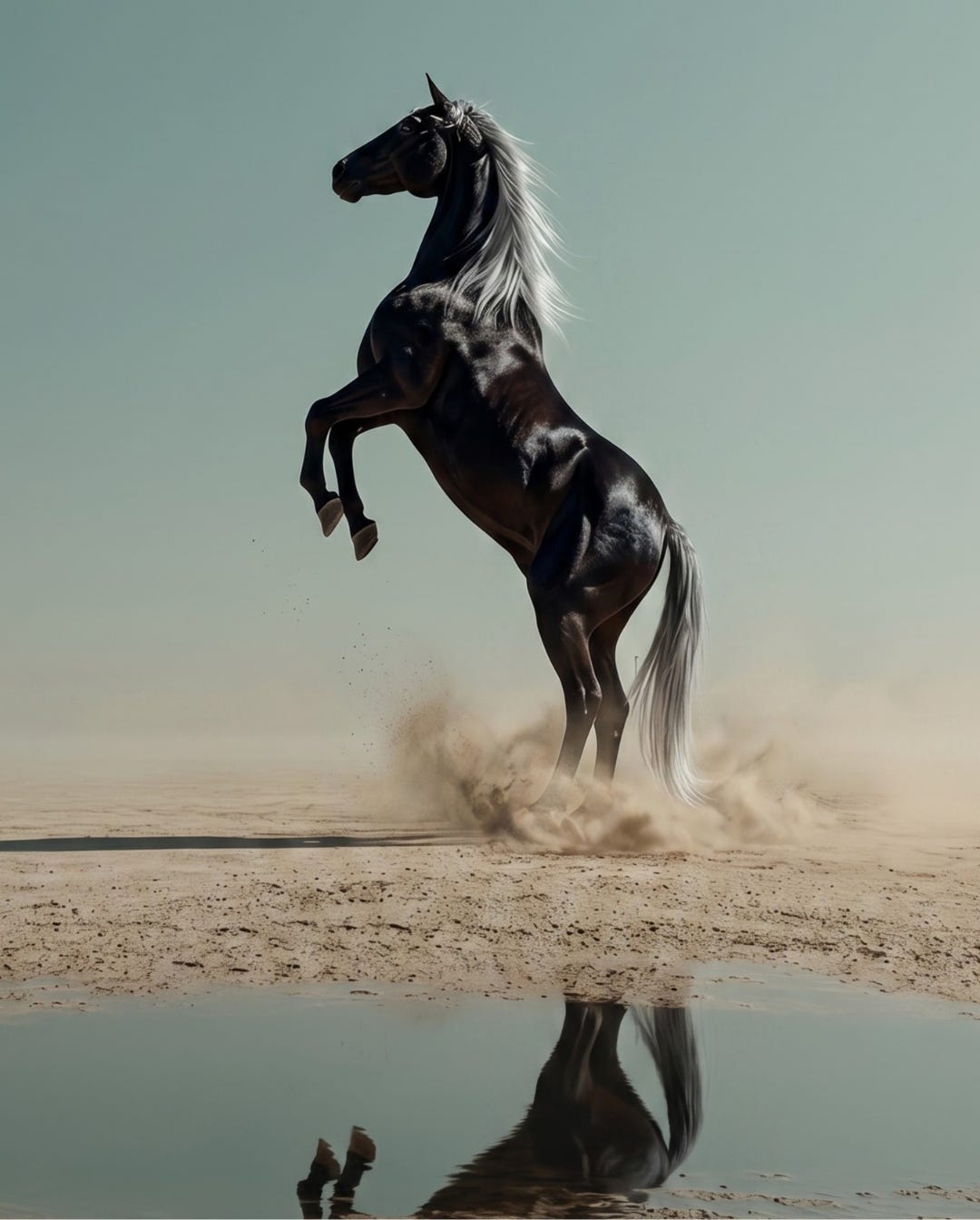
We also call a child năzdrăvan: clever, troublesome, energetic, endearing and somehow more alive than the rules intended. To translate the word in English, I need to choose. Is the child mischievous, naughty, impish, clever, high-spirited or precocious? Mischievous preserves the trouble but loses some of the admiration. Clever keeps the intelligence but loses the trouble. Naughty introduces disapproval. Precocious sounds almost clinical. Impish comes close, but the old supernatural knowledge has disappeared.
The word cannot be carried across whole. When I translate năzdrăvan, I have to take apart a child who was whole in Romanian.
Finnish divides snow into a multitude of realities but allows gender to remain unspoken. Romanian hides a frog inside a door and preserves a trace of magic inside a mischievous child, yet asks me to name the closeness between two people. English gives rain its many temperaments and the road a shoulder, but allows every relationship to disappear inside a single you.
Each language illuminates something and leaves something else in shadow.
Living among three languages has taught me to move between those areas of light and notice that at the limit of one language, another sometimes sees farther.
Author bio
Sanda Berar began her career teaching computer science at Babeș-Bolyai University in Cluj, Romania. She has since spent over twenty-five years in the high-tech industry, first in Finland and later in the Seattle area, where she works as a technology leader. In her late forties, she began writing and painting alongside her technology career. Her creative work explores memory, relationships, and life between languages and cultures. She serves as Executive Director of ARCS and co-editor of the ARCS Journal.